Loading artist

Lissa Hunter
Biography
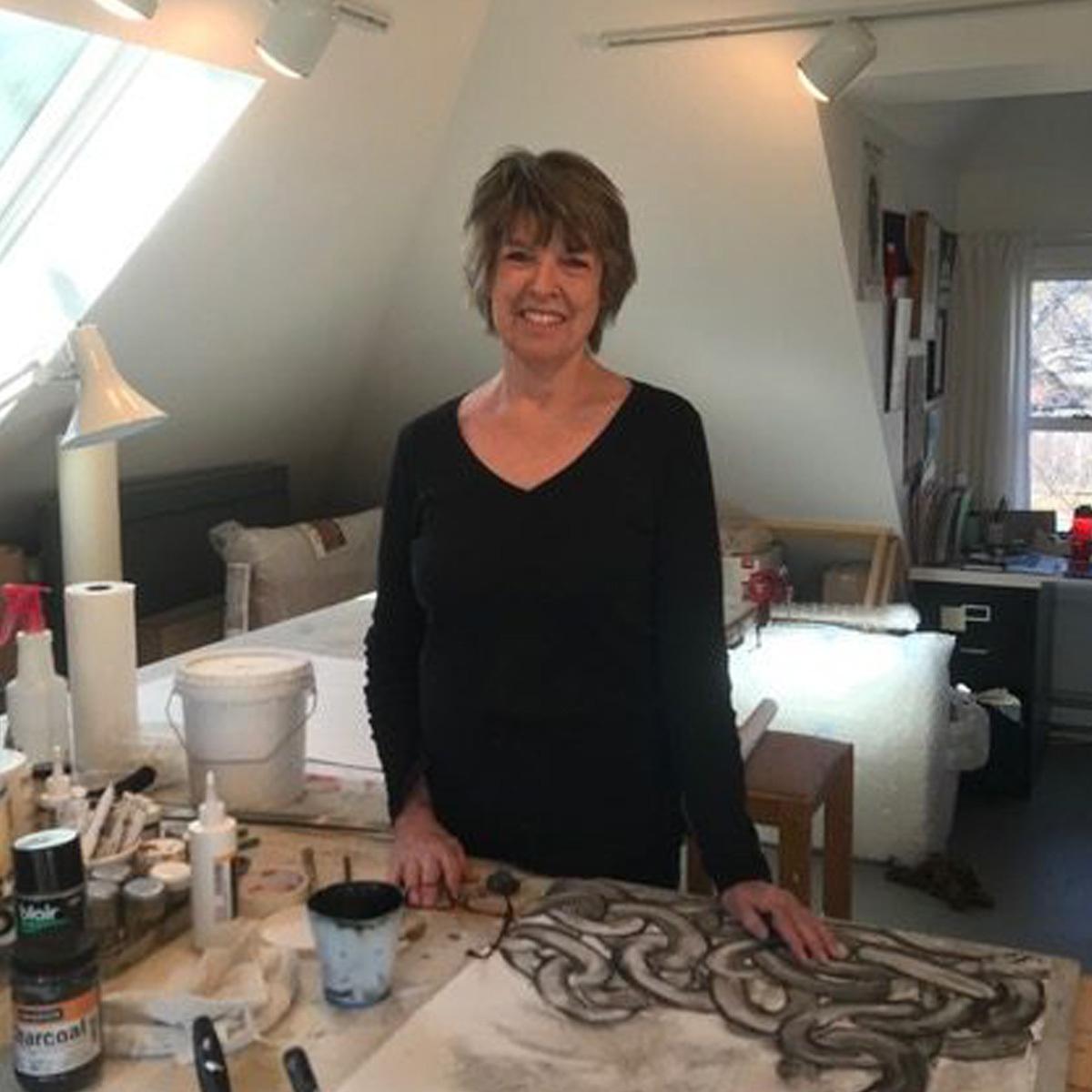
Lissa Hunter was born in the middle of the 20th century, in the middle of the country, in a middle-class family. Her mother was an artistic, hardworking woman with a strong sense of humor and an ability to organize anything and anyone. Her father was charming and eclectic in his interests, from restoring antique cars to performing magic professionally. She was a secretary and he was a salesman. At Indiana University, Hunter earned a BA in painting and an MFA in fibers. It was the 60s and early 70s where participation in the anti-war and second wave feminism movements provided a non-credit education that is still relevant. After teaching art at a college in Pennsylvania for eight years, Hunter left a tenured position to give her full attention to making art, just as the contemporary craft movement was coming into its own. Choosing to work both two- and three-dimensionally from the beginning has allowed her to explore numerous materials and techniques and to push her ideas in many directions. Hunter’s work is in the Renwick Gallery of the Smithsonian Institution, the Museum of Arts and Design (New York), Museum of Fine Arts (Boston), Racine Art Museum (Wisconsin), as well as other museum and private collections. Teaching, curating, and writing about contemporary basketry, design and creativity continues to give her great pleasure.
Artist Statement
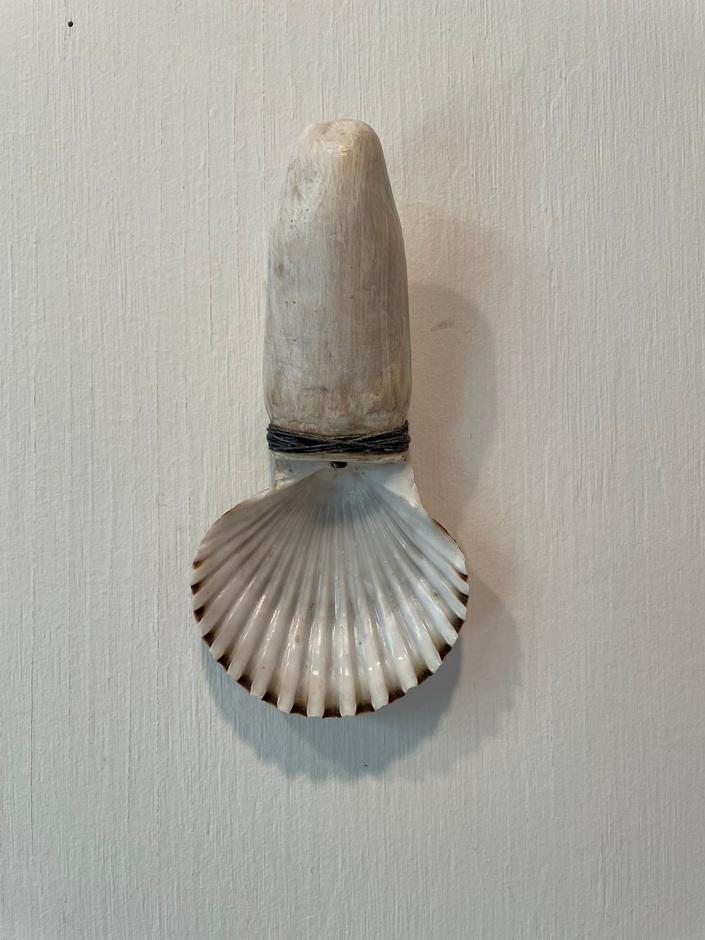
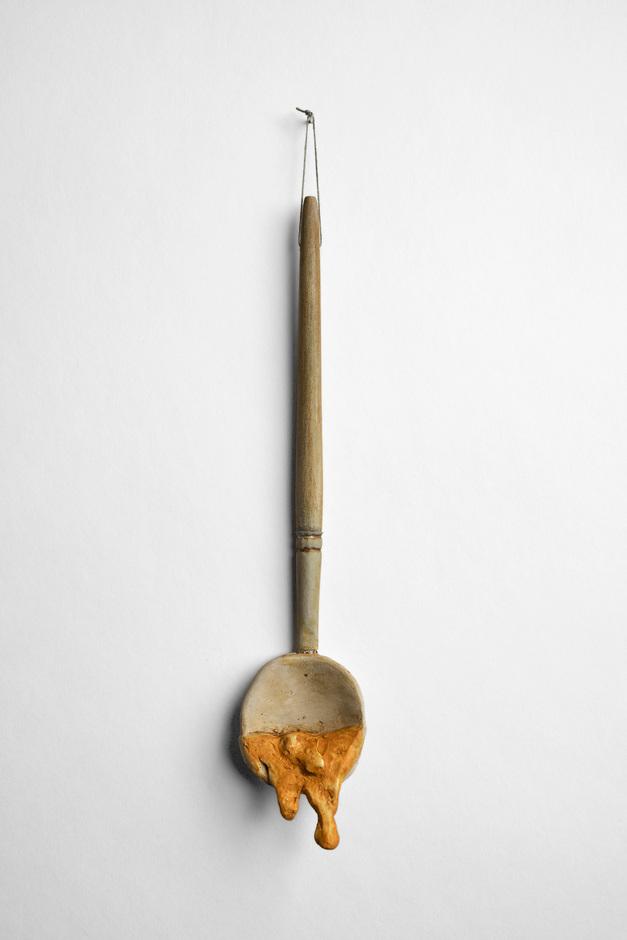
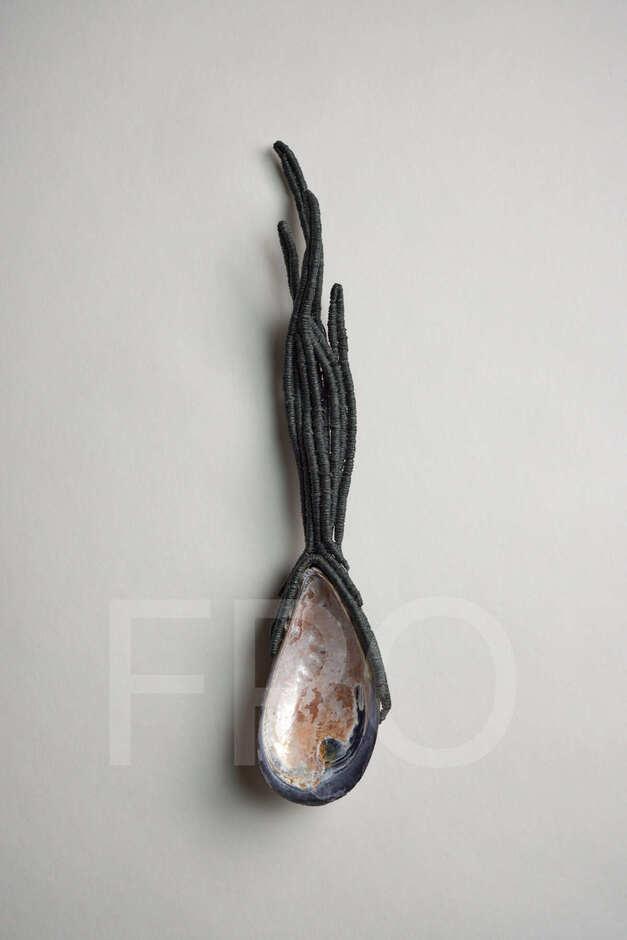
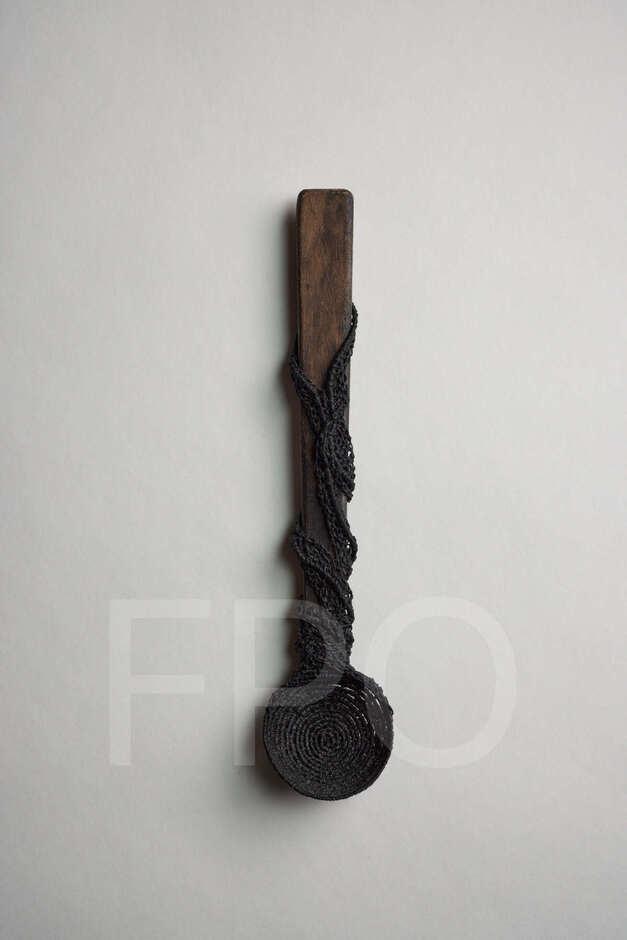
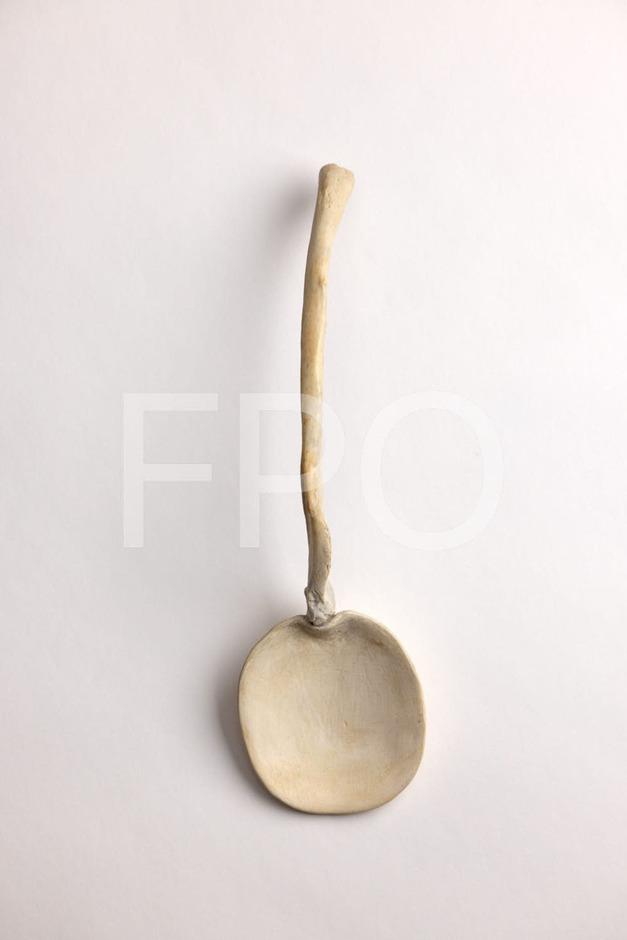
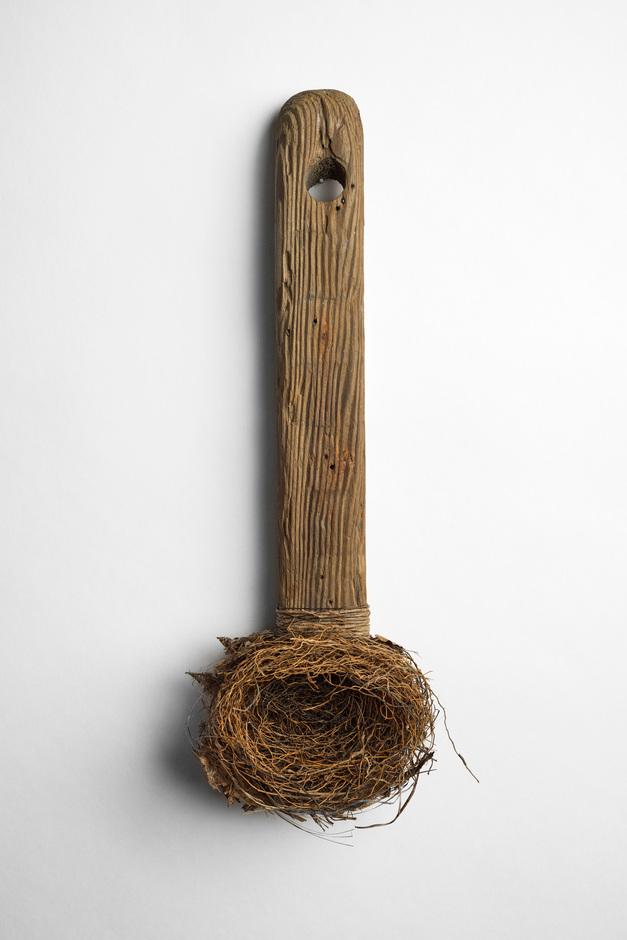
Anonymous materials which, in themselves, carry little value or identity are my favorites--raffia, paper, charcoal, clay, thread, natural and found objects. It is the transformation of these materials through processes that are as close to the hand as possible—coiling, drawing, hand-building, sewing, mark-making—that fuels me. The idea of the work is the reason I do it. Materials transformed through techniques become the expression of ideas, a type of conjuring. In looking back at my practice over many years, I recognize some themes. Nature. Looking closely. Calm and order. Domestic life. Drawing. I adore Agnes Martin and Hans Coper but I couldn’t do what they do. I can’t leave anything alone. If I were to draw a line, it would be erased and scrubbed and redrawn and then covered with vines or words or more lines giving it support. I admire John Cage’s intellectual music but am transported and filled with life by Beethoven’s Sixth Symphony or almost any of the choral music of John Rutter, with all that thick harmony. I am practical but am moved to tears by acts of kindness and the first light of dawn on the horizon. If being human is a story, it is one I try to read and write every day.